Backbends Done Right: A Gentle, Somatic Approach to Better Posture
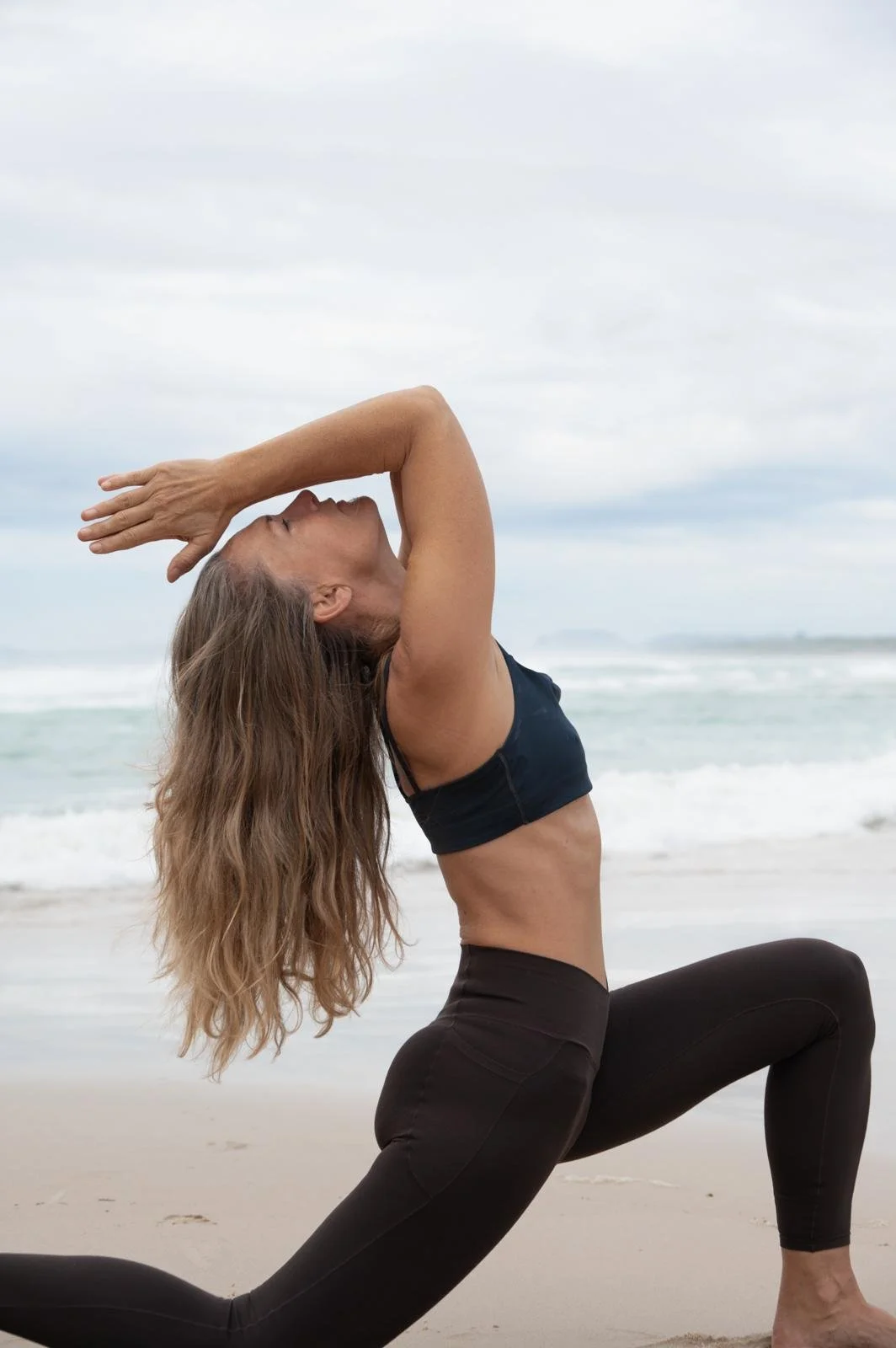
When people think of improving posture, they often think “sit up straight” or “pull your shoulders back.” But posture isn’t something we force, it’s something that emerges when the body feels supported, strong, and safe.
This is where backbends done well become powerful tools, not just for the spine, but for the nervous system, breath, and overall wellbeing.
In my work with Somatic Healing Byron Bay, Yoga Byron Bay, and across the Northern Rivers and Gold Coast communities, I see how modern life shapes our bodies: rounded shoulders, tight chests, forward head posture, and shallow breathing. These patterns aren’t just muscular, they’re deeply connected to stress physiology.
Backbends, when approached through somatic movement for nervous system regulation, can help gently unwind all of this.
Why Posture Isn’t Just Structural - It’s Nervous System Based
Slouching isn’t laziness. It’s often a sign of:
chronic stress
protective tension patterns
fatigue or emotional holding
hours at desks and devices
From a body-based healing practices perspective, posture reflects how safe and resourced the nervous system feels.
When we practice breath and movement for stress relief, the body naturally begins to organize itself more upright, not rigid, but alive and responsive.
This is the foundation of Embodied Yoga Byron Bay and the somatic approach I share throughout Yoga Northern Rivers and Yoga Gold Coast spaces.
What Backbends Actually Do for Posture
When practiced with awareness (not force), backbends help:
1. Reverse the “forward life” pattern
They gently open:
chest
front shoulders
upper abdomen
This counteracts hours of folding forward.
2. Strengthen real posture muscles
Backbends build:
spinal support muscles
glutes
mid-back stabilizers
Good posture is strength + ease, not stiffness.
3. Restore thoracic mobility
Most posture issues live in the upper and mid-back, not just the lower spine. Backbends help the ribcage and thoracic spine move again , which improves both posture and breathing.
4. Support nervous system regulation
Heart-opening shapes can feel vulnerable. When approached slowly, they help build capacity for openness and presence - key elements of Nervous System Regulation Byron Bay work.
Backbends Done Wrong (and Why They Don’t Help Posture)
Common mistakes:
Dumping into the lower back
Jamming the neck back
Forcing range instead of building support
Holding the breath
This creates compression and tension - the opposite of what we want.
Posture improves when the spine feels long and supported, not cranked.
Backbends Done Right: A Somatic Approach
Here’s how to practice in a way that supports Somatic Healing Northern Rivers style work:
✨ Think length before depth
Lift the chest forward and up rather than just bending backward.
✨ Keep the back of the neck long
Your gaze stays slightly forward, not thrown back.
✨ Engage gently
Light core and glute support protect the lower back.
✨ Move with breath
Inhale to expand the ribs and heart space. Exhale to soften excess effort.
This turns backbends into somatic therapy alternatives that help re-pattern posture safely.
Best Backbends for Posture (You Don’t Need Extreme Poses)
These are powerful and accessible:
Sphinx Pose
Low Cobra
Locust Pose
Bridge Pose
Supported Fish Pose (on a block)
These shapes are often woven into Yoga Byron Bay and Yoga Northern Rivers classes because they build sustainable spinal support rather than dramatic flexibility.
Long-Tail Questions People Ask About Yoga and Posture
(And why this work matters)
People searching for support often ask:
The answer is rarely “stretch more.” It’s about integrating breath, strength, and nervous system awareness - the heart of Somatic Healing Gold Coast, Northern Rivers, and Byron Bay work.
Posture as an Expression of Safety
True posture change isn’t rigid or military. It’s:
open
responsive
supported from within
When the body feels safer, the spine organises itself differently. Backbends practiced through Embodied Yoga Byron Bay principles help create that internal support.
You don’t need extreme shapes. You need consistent, intelligent, body-aware movement.
That’s where yoga becomes more than exercise, it becomes nervous system care in motion.